
Oh, caramelized onions – how do I love thee? Let me count the ways! That deep, sweet, almost jam-like goodness transforms anything it touches. A spoonful of these golden beauties can turn even the saddest grilled cheese into something magical. My obsession started years ago when I accidentally left onions cooking too long and discovered pure pan magic.
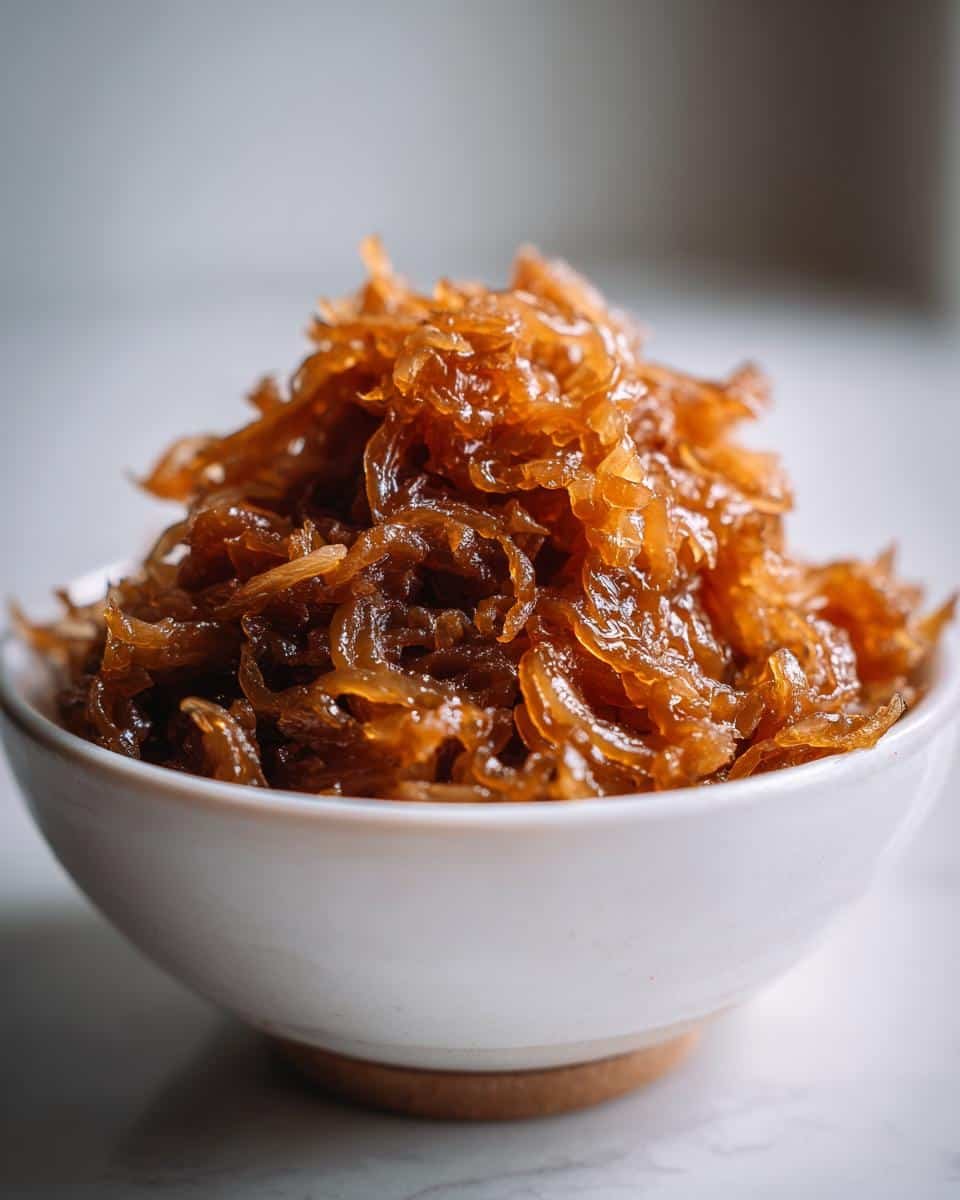
These aren’t just onions – they’re your secret weapon. Add them to burgers, soups, pizzas, or sandwiches for instant depth and richness. The real trick is patience. That slow 40-minute transformation from sharp to silky is where the alchemy happens.
Why You’ll Love These Caramelized Onions
Once you master caramelized onions, you’ll wonder how you ever cooked without them. Here’s why they deserve a permanent spot in your kitchen:
- Deep, sweet flavor: Slowly cooked onions become rich, mellow, and almost jam-like.
- Easy but impressive: Minimal effort, restaurant-quality results.
- Versatile: Perfect for burgers, pasta, eggs, pizza, and sandwiches.
- Make-ahead friendly: Store them in the fridge or freezer and use anytime.
Ingredients for Perfect Caramelized Onions
You only need a few simple ingredients to make incredible caramelized onions:
- 2 large yellow onions – Thinly sliced (about ¼-inch).
- 2 tablespoons butter or olive oil – Butter adds richness; oil keeps it dairy-free.
- ½ teaspoon salt – Draws out moisture and boosts flavor.
- 1 teaspoon sugar (optional) – Speeds up browning if you’re short on time.
How to Make Caramelized Onions
Caramelizing onions is all about low heat and patience. Follow these steps for perfect results every time.
Step 1: Prep and Heat
Slice the onions evenly. Heat butter or oil in a heavy-bottomed skillet over medium-low heat until melted and warm.
Step 2: Slow Cooking
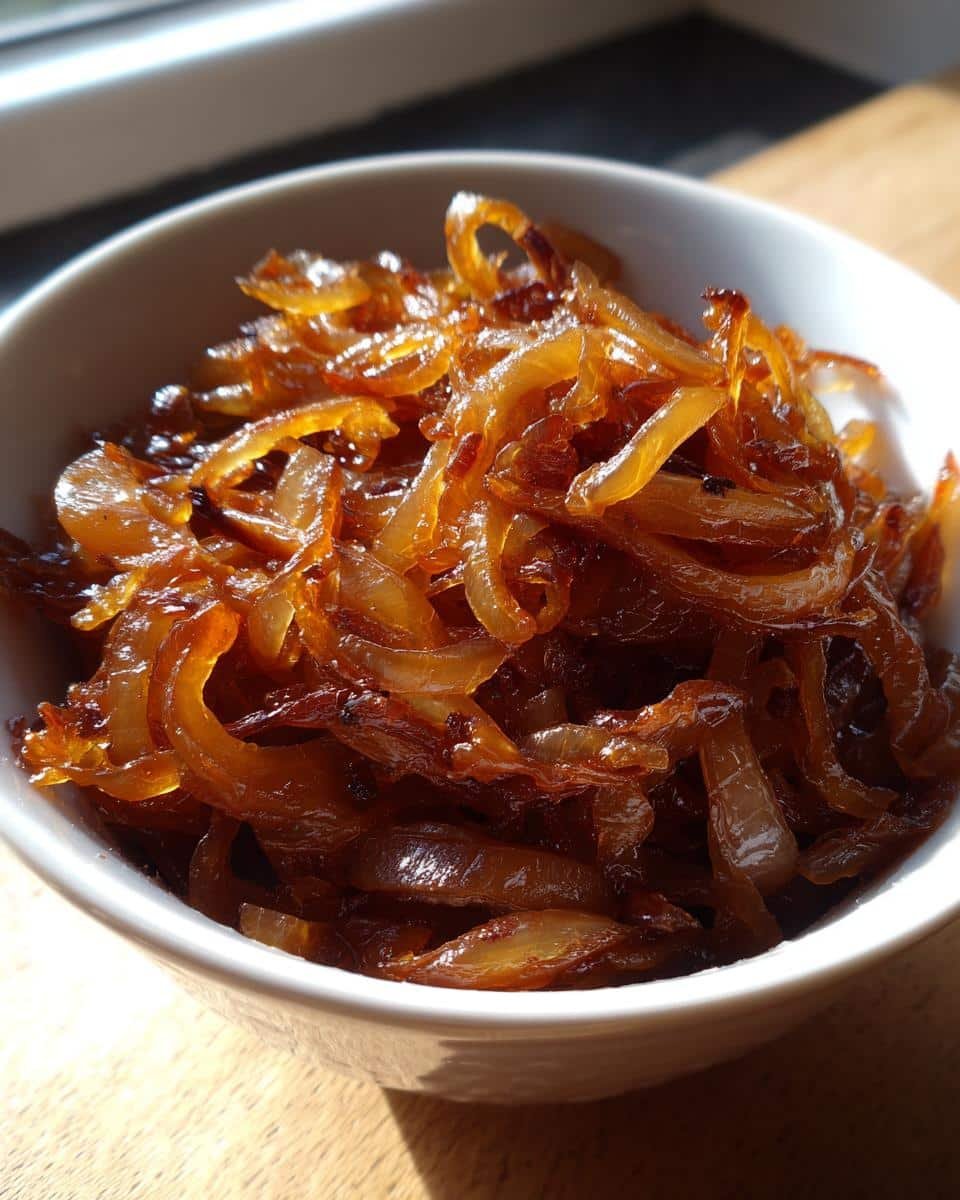
Add onions to the pan, sprinkle with salt (and sugar if using), and stir to coat. Cook gently for 30–40 minutes, stirring every 5–7 minutes. The onions will soften, turn golden, and gradually deepen in color.
Step 3: Finishing Touches
When the onions are deep golden brown and jam-like, they’re done. If needed, deglaze the pan with a tablespoon of water or broth. Taste and adjust seasoning before removing from heat.
Expert Tips for the Best Caramelized Onions
- Use a heavy pan: Cast iron or stainless steel prevents burning.
- Low heat is key: Too much heat causes burning instead of caramelization.
- Stir occasionally: Every few minutes is enough.
- Deglaze when needed: A splash of liquid saves the onions and adds flavor.
Variations and Uses
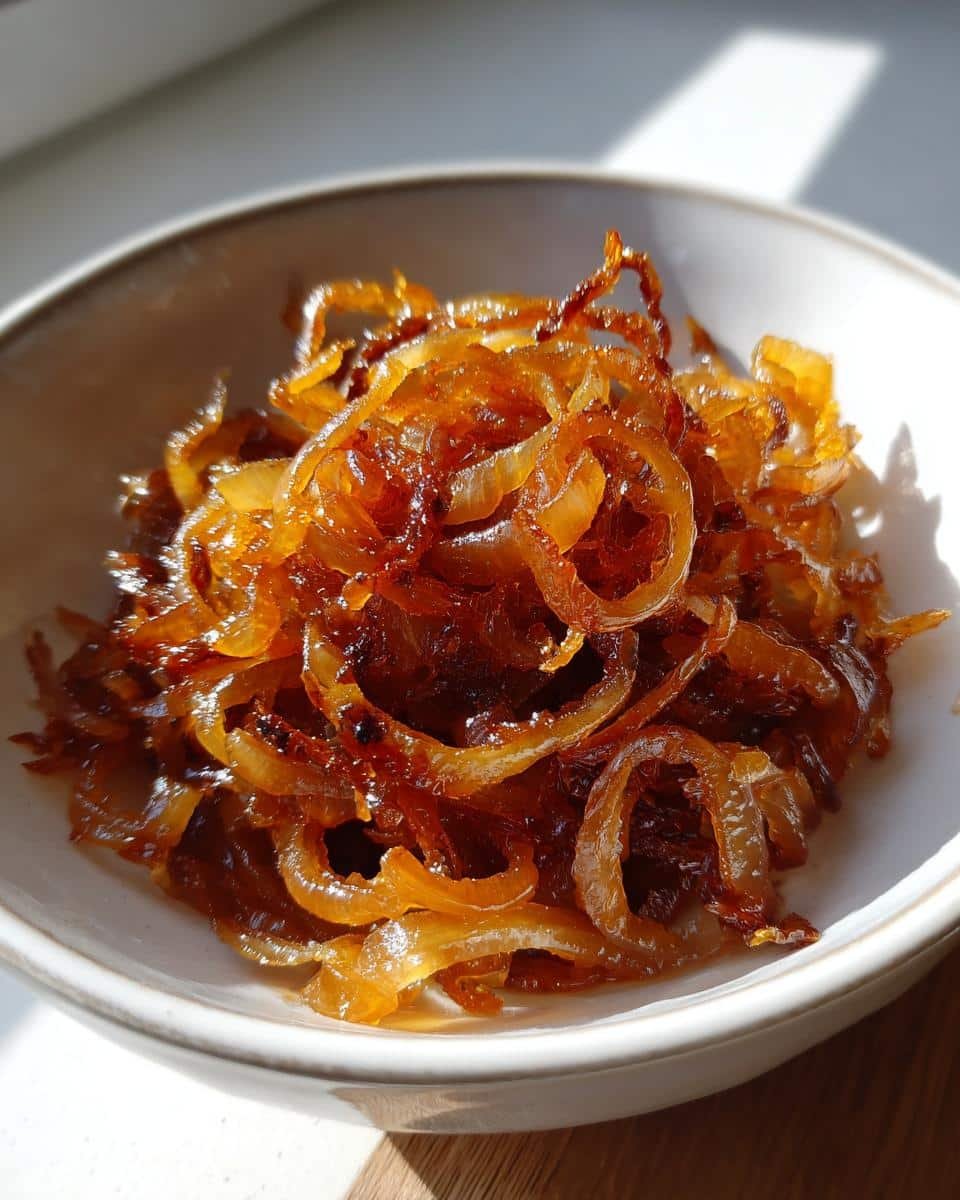
Customize your caramelized onions or use them in endless ways:
- Add balsamic vinegar or red wine for extra depth.
- Finish with thyme or rosemary.
- Use on burgers, pizzas, grilled cheese, pasta, eggs, or mashed potatoes.
Storing and Reheating
Store cooled caramelized onions in an airtight container in the fridge for up to 5 days. Freeze in small portions for up to 3 months. Reheat gently on the stove with a splash of water if needed.
Nutritional Information
Per 2-tablespoon serving (approximate):
- Calories: 40
- Fat: 3g
- Carbohydrates: 4g
- Sugar: 2g
- Sodium: 60mg
Frequently Asked Questions
Can I use red onions?
Yes. Red onions work well and offer a slightly sweeter, fruitier flavor.
Why are my onions burning?
The heat is too high. Lower it and add a splash of liquid to recover.
Can I speed up caramelization?
You can add a small amount of sugar, but true caramelization takes time. For more recipe inspiration, check out our Pinterest board.
How do I know they’re done?
They should be deep golden brown, soft, and sweet with no sharp bite.
Ready to Make Caramelized Onions?
With just onions, fat, and patience, you can create a flavor-packed ingredient that upgrades almost any dish. Make a double batch—you’ll be glad you did. Explore more delicious recipes here.